
Renovation
One Loan, One Closing: Buying a Fixer-Upper Made Simpler
Dreaming of a custom home without the custom home price? Learn how renovation loans allow you to buy and remodel a house with a single, convenient loan and one closing.
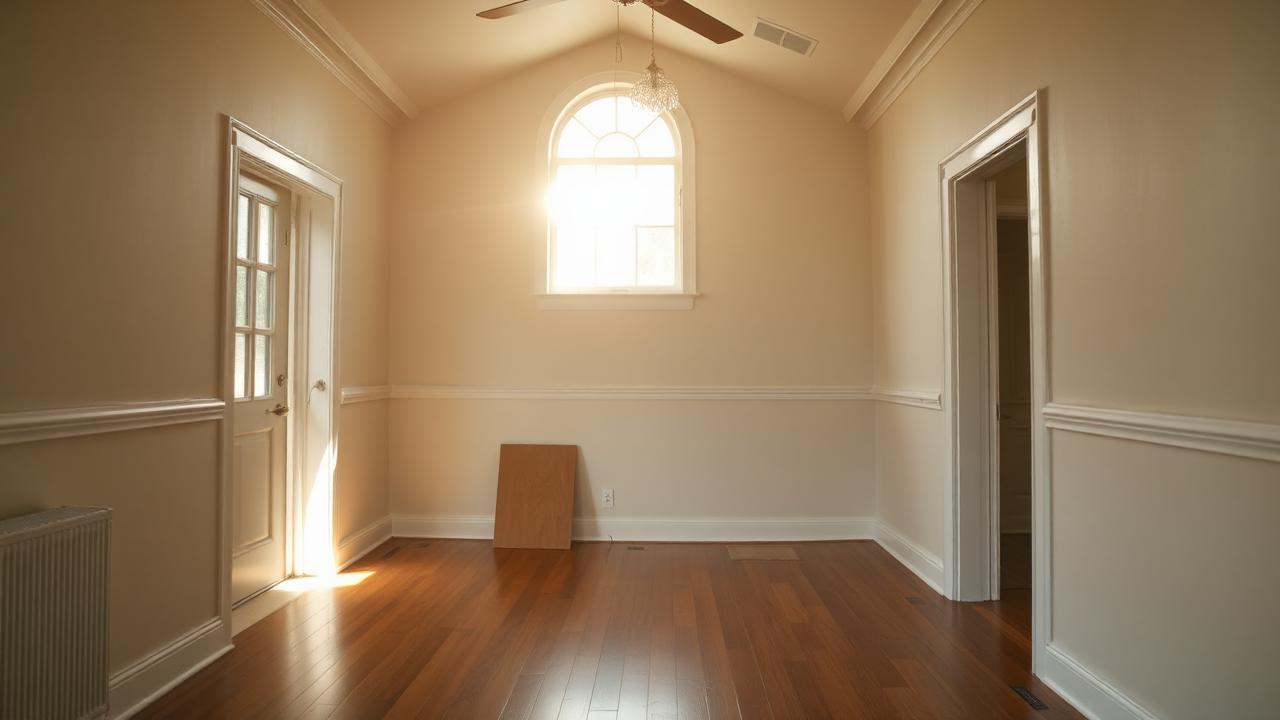
Ever driven by an older home with great bones and thought, “If only I could update that kitchen and bath…”? Or maybe you've spotted a place in a perfect neighborhood, but it needs a little (or a lot) of love to be your dream home. For many folks, the idea of buying a fixer-upper often comes with a big question mark: How do I pay for the house and the renovations?
That's where renovation loans shine. They're designed to wrap the purchase price and the cost of improvements into one tidy package, with one closing. This can be a game-changer for homeowners and homebuyers alike.
What Exactly is a Renovation Loan?
Simply put, a renovation loan, also known as a rehab loan, allows you to borrow money for both the purchase of a home and the cost of repairing or improving it. Instead of getting one loan for the house and another loan (or dipping into savings) for the renovations, it's all rolled together into one mortgage. This means one application process, one set of closing costs, and one monthly payment.
Think about it: Many folks might buy a house, then drain their savings for a kitchen remodel, or take out a high-interest personal loan. A renovation loan lets you finance those improvements at your mortgage interest rate, which is typically much lower.
The Types of Renovation Loans
There are a few different flavors of renovation loans, but the most common ones are:
- FHA 203(k) Loan: These are government-backed loans that are fantastic for homes needing moderate to significant repairs. They're popular because they allow for lower credit scores and smaller down payments, just like a standard FHA loan. There are two types: a “Streamline” (or Limited) 203(k) for smaller projects (under $35,000 in repairs) and a “Standard” 203(k) for more extensive structural work, additions, or major overhauls.
- Fannie Mae HomeStyle Renovation Loan: This is a conventional loan product. It's a bit more flexible than the FHA 203(k) when it comes to the types of properties and the scope of work. You can do almost any renovation that adds value to your home. It typically requires better credit and a higher down payment than an FHA loan, but it doesn't have the FHA mortgage insurance premiums that last the life of the loan.
- VA Renovation Loan: If you're a veteran or active-duty military, you might be eligible for a VA loan, which can also be used for renovations. These offer incredible benefits like no down payment and no mortgage insurance. While they aren't as widely used for extensive renovations as an FHA 203(k) or HomeStyle, the option does exist for certain improvements.
Each of these has its own rules and requirements regarding the types of renovations allowed, property eligibility, and borrower qualifications. That's where an experienced MLO like Troy can help you navigate the options.
How Does the Process Work?
While the specifics vary by loan type, here's a general overview of what you can expect:
- Find Your Fixer-Upper: You locate a home that needs work but has potential.
- Get Contractor Bids: You'll need to work with licensed contractors to get detailed bids for all the planned renovations. These bids will be used to determine the renovation portion of your loan.
- Appraisal & Scope of Work: The home will be appraised not just in its current condition, but also for its after-renovation value based on your plans. A detailed “scope of work” document will outline every repair and improvement.
- Loan Closing: Once approved, you close on the loan. At closing, the seller gets paid for the purchase price, and the renovation funds are placed into an escrow account.
- Renovations Begin: Your contractor starts the work. As milestones are met, funds are drawn from the escrow account to pay the contractor. Inspections by an independent party (usually a HUD consultant for FHA 203(k) loans or a completion inspector for HomeStyle) are typically required before each draw to ensure the work is being done properly.
- Completion: Once all the work is done and approved, you're left with your beautifully renovated home and one convenient mortgage payment.
Benefits of a Renovation Loan
- One Loan, One Payment: Simplifies your finances with a single loan and monthly payment for both the home and improvements.
- Lower Interest Rates: Renovation funds are financed at mortgage rates, often significantly lower than personal loans or credit cards.
- Build Equity Instantly: By buying a home at a lower price and putting in valuable improvements, you can often build equity faster.
- Customization: You get to design your dream home without paying top dollar for a move-in ready, fully updated property.
- Expand Your Home Search: Opens up more possibilities in your desired neighborhoods, as you're not limited to only move-in ready homes.
Things to Consider
Renovation loans do have a few more moving parts than a standard purchase loan. They involve more paperwork, more inspections, and generally take a bit longer to close. You'll also need a solid plan for your renovations and reliable contractors. It's not a set-it-and-forget-it deal; you'll be actively involved in managing the renovation process.
However, for many, the benefits of getting exactly what they want in a home, often at a more affordable price point, far outweigh these considerations.
If you're eyeing that charming but tired house down the street, don't let the renovation costs be a barrier. Let's explore whether a renovation loan is the right fit to turn that fixer-upper into your dream home. Troy is here to demystify the details and help you navigate the process. Give him a call at (817) 715-9692 or book a time to chat at https://calendly.com/troy-troyhomeloans/30min.
Have questions about your scenario?
Troy answers his own phone. Real numbers, plain English, no pressure.